Intro
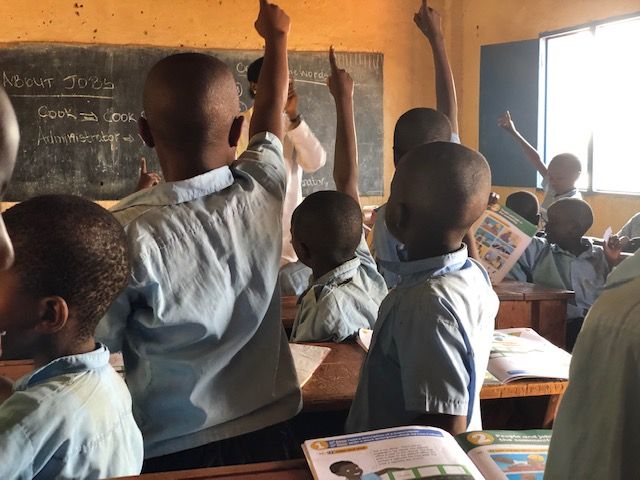
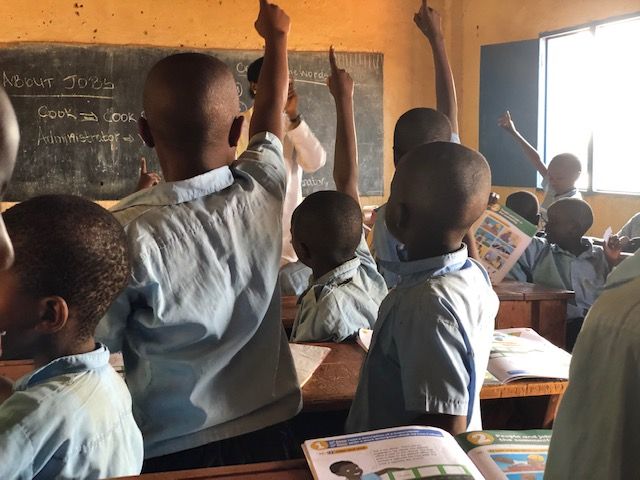
I’m here in Rwanda working as a volunteer on a project with VSO as an Inclusive Education Advisor. This basically means I’m a small part in a large scale project to improve the learning outcomes in English and maths, and, for my part, reinforcing the recently introduced policy of including all children at school, regardless of their special needs or disability. I work with a large team of others, mainly national volunteers and employees, supporting, training and supervising a group of the country’s first ever SNECOs (Special Needs Education Co-ordinators), the equivalent of our SENCOs.
Unusually, there were three of us who arrived at the same time and all from the UK – Hannah who had been on the same pre-training course as me, and Katie who had been on the same flight. They are working in slightly different roles, as District Teaching Advisors, but are part of the same project. We were put in a hotel when we arrived, and although we were expecting to be there for just a few days, it ended up being a couple of weeks, and in Hannah’s case, quite a while longer.
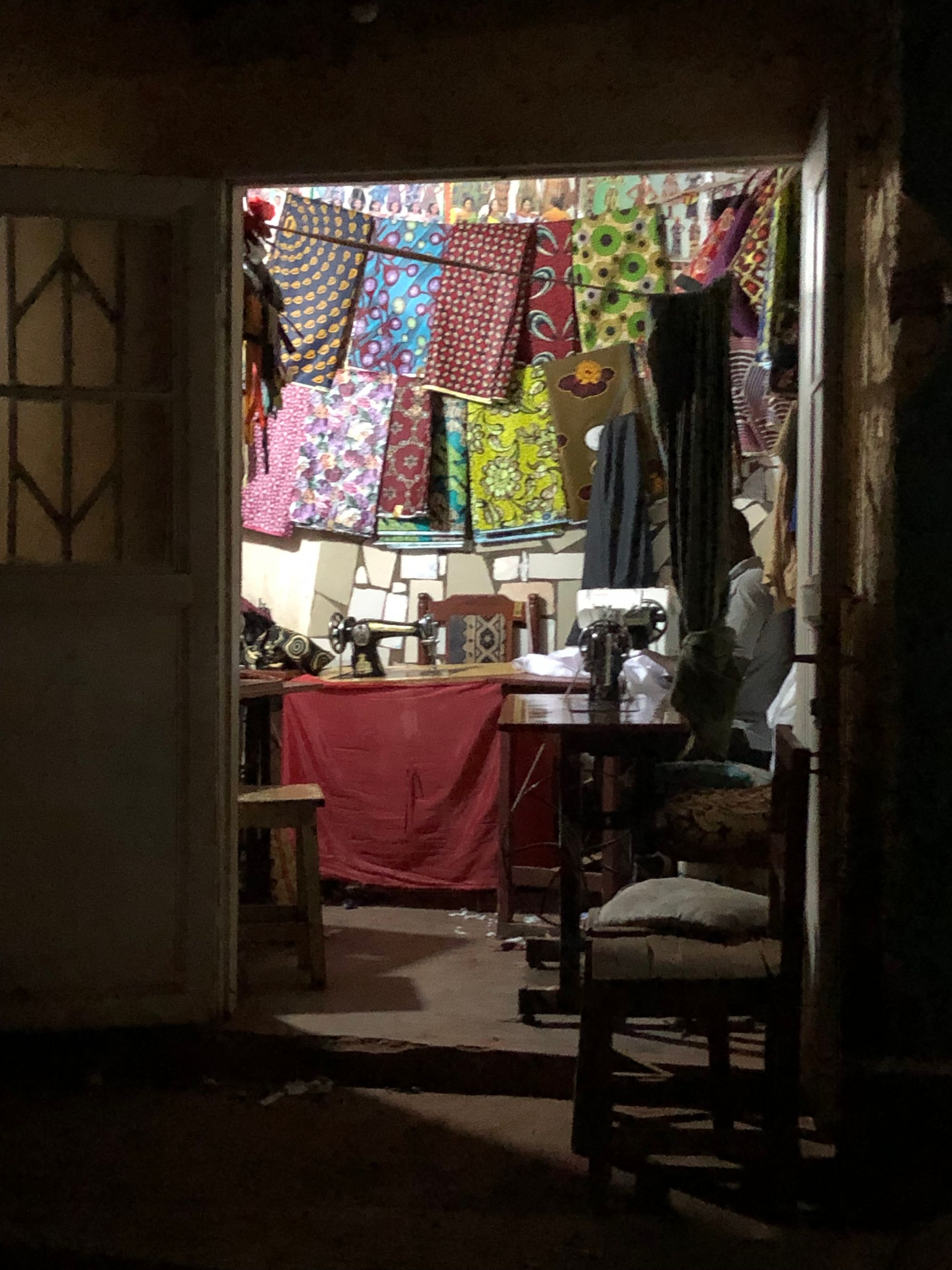
Something we learnt quickly was that life moves at a slower pace than the UK. No one rushes, no one stresses, no one moves with any sense of urgency and things just happen when they happen. I was determined to go with the flow, and as a result I had no problems falling in with their way of life, and within a short period of time got to enjoy the Rwandan laid back ways.
There were other cultural habits to get used to, so much so that we actually had a session during our first week induction on Rwandan culture. Rwandans don’t eat or drink in public, well not in the street anyway, cafes and bars - great, but you’d never see anyone walking down the street chomping on a burger or a packet of crisps, or drinking coffee from a takeaway cup. Takeaway coffee is unheard of, even though there are several trendy cafes in Kigali that serve lattes. Partially as a result of this, but also because there is a huge drive on keeping Rwanda clean, there is no litter in the streets.
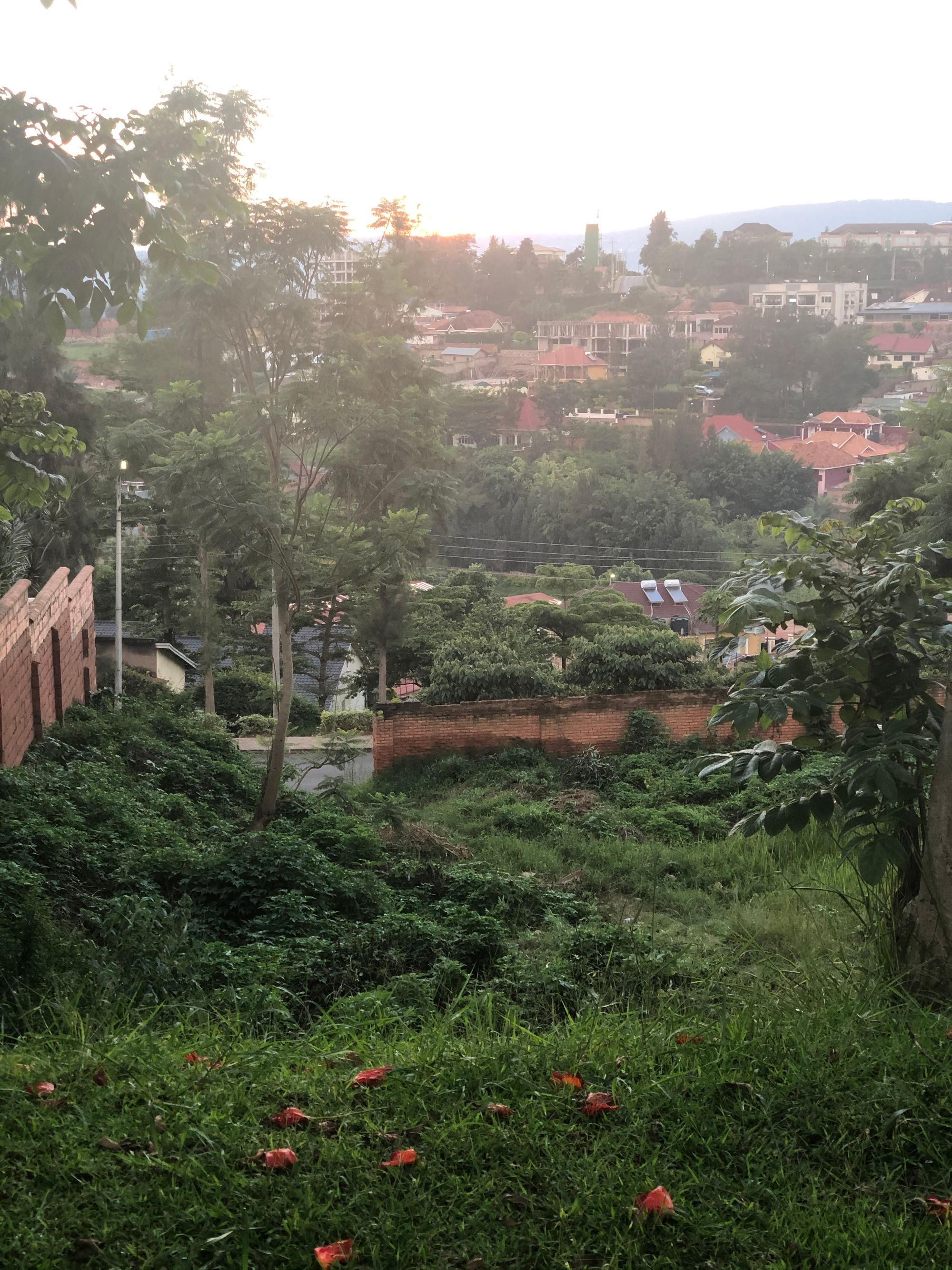
And over the first few weeks I also learnt that there is barely any waste either. Plastic bags are banned. Food in cans and excessive packaging is too expensive for anyone but the very rich, and most people buy fresh from the markets and use bags made from rice sacks. In a month I wouldn’t even accumulate the waste or recycling I would have in a day in the UK.
Another big Rwandan practice is to shake hands and hug every time you meet someone. I’m not a great lover of either but saw it as an opportunity to get over it, hopefully. Rwandans also speak softly and calmly; they don’t call across rooms or shout and everyone is warm and friendly.
I wondered how they got to be such happy, uplifting people after all they’d been through with the genocide only 30 years ago. As part of our induction they took us to the Genocide Memorial Museum; the tragedy and suffering they went through was so overwhelmingly huge that we struggled for the rest of the day to grasp the reality of it. The experience was totally humbling and for several weeks I often felt overwhelmed by the radiant friendliness that shone from these people after all they’d been through
I also felt in awe of the President, Paul Kagame, who had brought the country up from deep despair to peace and success in such a short period of time using unique, industrious processes that have helped to heal the country. I had joked with friends in the UK, and then with Katie and Hannah, that I was on a mission to meet him, especially after reading the book A Thousand Hills: Rwanda’s Rebirth and the Man Who Dreamed It.
Rwanda is a country of reconciliation. After the genocide during which a million people were slaughtered, the government set about trying the genocide suspects. To help process the massive numbers of cases the government used Gagaca, a traditional form of restorative justice where suspects were tried in their communities as opposed to national courts. This not only helped Rwanda to process the overwhelming number of cases clogging the judicial system and prisons, but also allowed communities to deliver justice and to strengthen reconciliation. The families of victims could ask the perpetrator to reveal what happened to their family members, and the perpetrator would be judged not only on his actions, but his willingness to seek forgiveness. There is now a huge emphasis on the slogan 'We are Rwandan' rather than Hutu or Tutsi.
What is inspiring is how they’ve moved forward so graciously using healing, forgiveness and reconciliation to promote psychological healing. This is promoted and supported by the government and they draw on the aspects of Gagaca as well as other Rwandan traditional practices such as Ubunzi (those who reconcile). Those who are considered to be people of integrity support their local communities with meetings where people get together and discuss and reconcile their differences. Time is set aside every month for everyone to participate, apparently it has a 97 per cent success rate and prevents further action from either party which in some cases might have involved a court case.
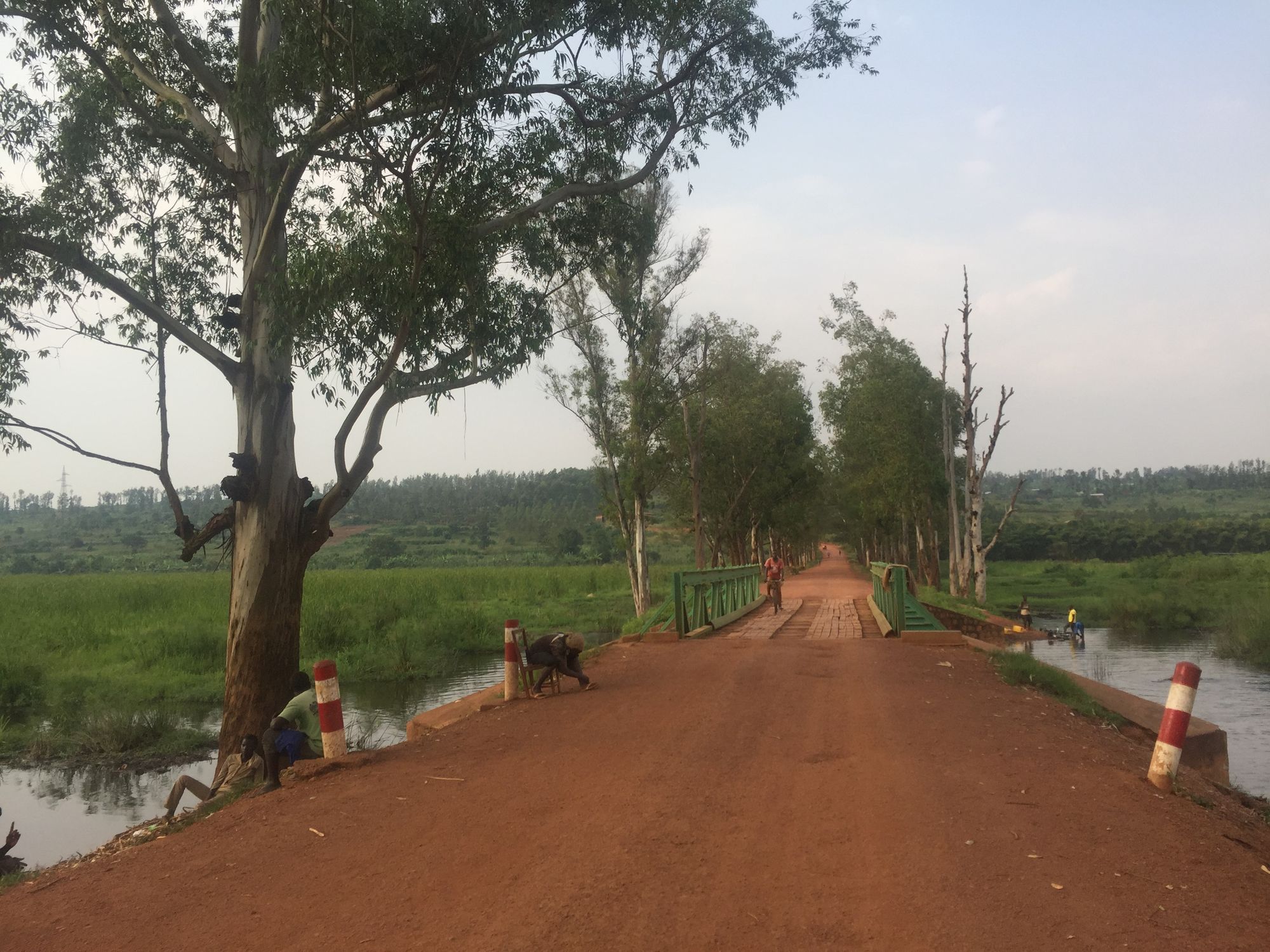
Another cultural practice is that of Umaganda, this is roughly translated as ‘coming together in common purpose to achieve an outcome’. In traditional Rwandan culture, members of the community would call upon their family, friends and neighbours to help them complete a difficult task; nowadays all Rwandans are obliged to help the community in some way, between 8am and 11am on the last Saturday of every month. This might involve repairing part of a shared road, building walls, cleaning the streets or making repairs in a local school. Afterwards, the local community may also meet and discuss any issues and how to resolve them.