15th April 2020
My youngest son is feeling better, which is a relief. I know this because he sends me an inappropriate joke, so he has his sense of humour back. It’s starting to feel normal, waking up and every day being the same, stuck at home. I’m beginning to wonder what normal is, and whether the previous normal will ever return. I’m missing work, and being with other people, and I’m not sure if I’m even interested in the role I’m doing anymore. I feel I want to go back to the UK and back to teaching which I loved, but then realise that there is no job and there probably won’t be any teaching vacancies being advertised anytime soon. It also feels strange to watch movies and see people in close proximity with each other, even touching each other, when I’m constantly aware of maintaining distance.
Yesterday, seven more C-19 patients were discharged from the treatment facility in Kigali. This brings the recovered amount to 49. There have been seven more cases recorded out of 983 samples that were tested in the last 24 hours. There have been no deaths so far, and all the new cases are contacts of previously confirmed ones who were identified through tracing. Rwanda seems to be managing the situation pretty well.
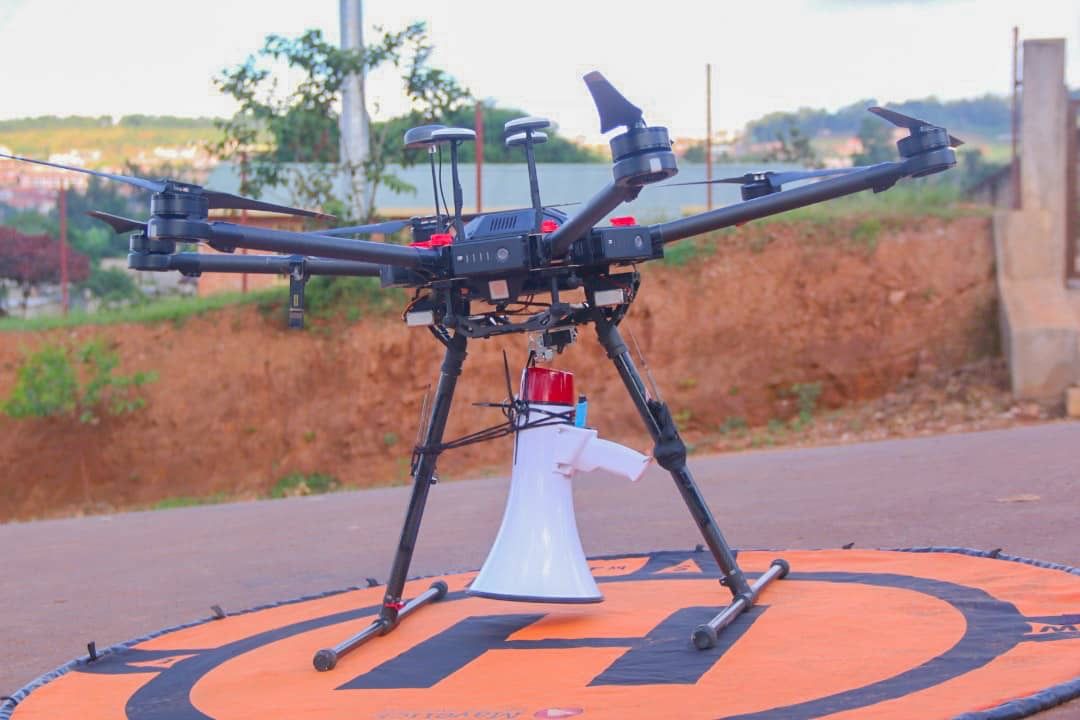
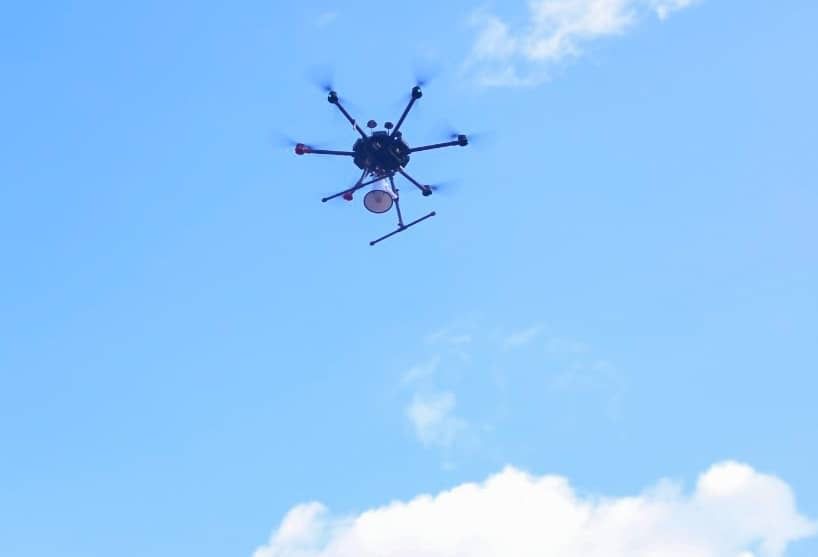
I do a long walk to the shops and see one of the trucks equipped with a megaphone that I have often heard from my living room. They are speaking in Kinyarwandan, warning people to stay at home. Later, I read that they are also using drones to relay messages and information about C-19 to the public.
The guidelines on lockdown still remain as strict, and Rwanda police are reporting that several people have been arrested for gathering in public, in hotels and for movements outside the home that are prohibited, such as sport.
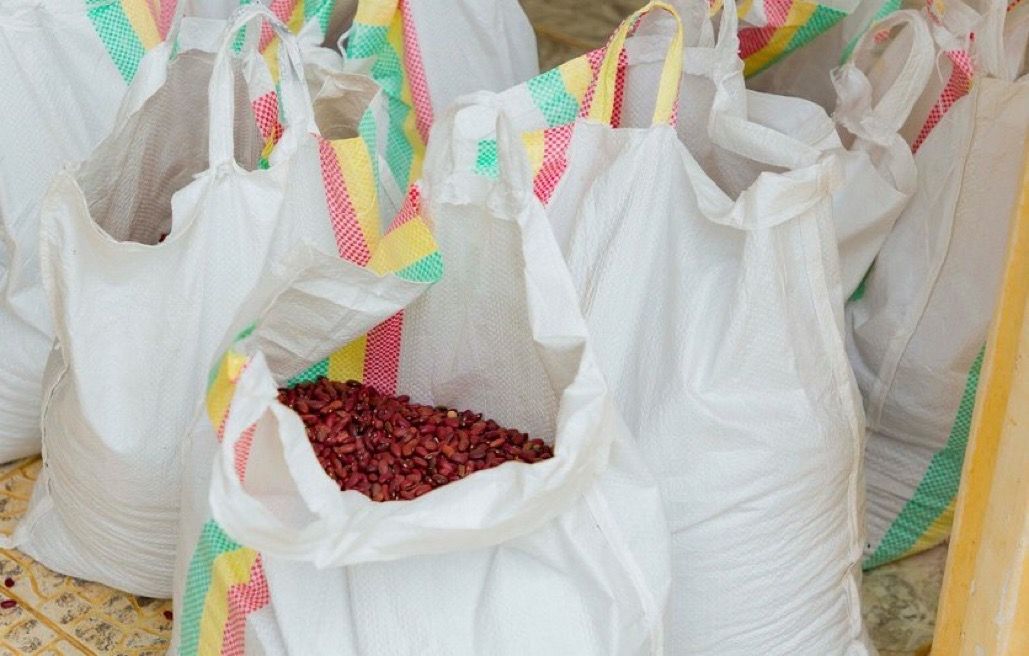
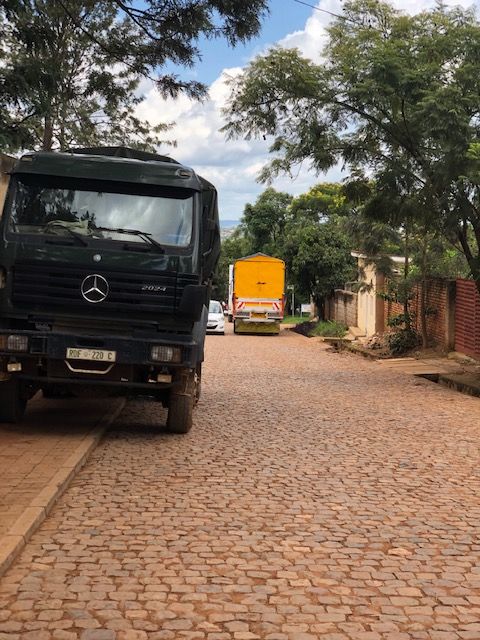
I notice that the trucks are back at the gated building at the end of my road, where the government keeps the emergency grain stores. They have been giving weekly supplies to families who need it for several weeks now.
I later read that only a few African countries, such as Rwanda and South Africa, have the capacity to administer a centralised strategy and to enforce lockdown. For some African countries, a few days’ lockdown is the difference between poverty and starvation. Social welfare can only be provided by relatives and if lockdown cuts down the social ties, people will be left destitute. Although Rwanda is still distributing food, my landlady seems to think that the stores may only be enough to last until the end of April.